Anima: A Wild Pastoral
- Kapka Kassabova is a poet and writer of fiction and narrative non-fiction. She is a bilingual writer in English, which is her main literary language, and in Bulgarian which is her mother tongue. Her books have been translated into at least twenty languages and made her well-known in Scotland, where she resides, and beyond. The latest four books by Kassabova, self-titled as the "Balkan Quartet", are a journey, physical and spiritual, to Kapka’s homeland and the exploration of its history, environment, borders and heritage.
[…]
Kitan se narodil v roce 1993. Měl lidskou hlavu. Oči, myšlení, způsob dorozumívání, všechno na tom psovi bylo jiné. Byl to pravý karakačan. Kámenovi a Achillovi začalo docházet, že Kitan je nejspíš jedním z posledních čistokrevných karakačanů a že celý rod stojí na pokraji zániku. Na pokraji tehdy stálo mnoho věcí. Psala se devadesátá léta dvacátého století – dlouhé desetiletí známé jako „Přechod“. Režim se zhroutil a s ním i státem řízené hospodářství, včetně živočišné výroby a zemědělství. Družstva byla rozpuštěna, agronomové a pastevci přišli o práci a celý národ buvolů, ovcí, krav, koz a koní neměl kam se podít.
Pak přišly porevoluční restituce: pokud byl majetek vašich prarodičů dříve zabaven státem – což platilo téměř pro všechny – měli jste nárok získat část ztraceného hospodářství zpět, včetně půdy a zvířat. Jenže v té době jste už stejně nevěděli, jak podojit kozu ani jak se postarat o koně, a nejspíš jste bydleli v panelovém bytě. Mezitím totiž uplynulo padesát let. Zvířat jste se tedy zbavili. Předali jste je rovnou do rukou překupníků, kteří se na dobytčí trhy slétali jako supi a ochotně vám s vaší záležitostí pomohli, aby pak zvířata prodali na jatka a do průmyslových farem v zahraničí. Privatizace opakovala zločiny kolektivizace.
Pastevní zvířata byla kdysi nedílnou součástí vaší rodiny, měla vlastní jména a rodové linie. Vaši předkové s nimi spali a dělili se s nimi o jídlo. Nyní, o pouhou jednu či dvě generace později, byli jejich potomci a vnuci jako otroci odváženi do daleké ciziny nebo jen kousek od vás dolů po silnici, na jatka. Opakovalo se to, co zažili už vaši předkové na vlastní kůži.
A karakačanský pastevecký pes? Od chvíle, kdy v padesátých letech rozprášili velká karakačanská stáda, musel snášet krutý osud. Už kolem roku 1990 patřil po několik desetiletí mezi ohrožená plemena. Poté, co se kočovníci usadili a jejich psi zdivočeli, zavedl stát politiku „proti šíření vztekliny“, která dovolovala plošně zabíjet nevyužívané pastevecké psy. To způsobilo první prudký propad karakačanského chovného základu. V osmdesátých letech dvacátého století byl dále narušen nekontrolovaným křížením s jinými velkými psy ze zcela odlišných linií jako kavkazský pastevecký pes nebo bernardýn. Pro toto plemeno totiž neexistoval žádný ustálený standard.
Tak to vypadalo, když Kámen, Achilles a Marina křižovali horskou krajinou a hledali další psy podobné Kitanovi. Nacházeli je u posledních horských pastevců – ohrožená původní plemena psů, ovcí, koz a koní. Nikdo jiný o ně nestál, protože ztratila svou komerční hodnotu.
Dalších deset let se bratři s úspěchem snažili vyšlechtit původní karakačanské psy a dosáhnout toho, aby bylo plemeno úplně poprvé oficiálně uznáno a popsáno. Psi z Kitanovy linie vzbudili zájem, vyhrávali soutěže, začali se prodávat doma i v zahraničí a mezi milovníky psů dali vzniknout celému novému hnutí. To zajistilo zdraví genofondu. Když Kámena a Kitana pozvali do televize v hlavním městě, protože Kitan se mezitím stal celebritou, pes kráčel ulicemi velkoměsta na vodítku, jako by tam vyrostl. Jenže karakačanský pes není domácí mazlíček. Má poslání: hlídat. Po staletí bylo zušlechťování plemene neúprosné. Slyšela jsem o případech z osmdesátých let dvacátého století, kdy byli karakačanští psi, kteří nezareagovali na útok vlka, zastřeleni svými majiteli, a ti u toho plakali. Karakačanského psa, který nepracuje, nelze živit. Byla to brutální logika, ale nešlo jen o ni. V pozadí stála i vojenská etika. Ve vlastních řadách nemůžete mít dezertéry. Ostatně armáda tyto psy využívala již od rusko-turecké války v roce 1878. Tradičně se pasteveckým psům v raném věku zakracovalo jedno ucho, pravé u samců, levé u samic, podle zastaralé představy, že jim to zlepší sluch. Místy se to ještě stále dělalo a Marina říkala, že na tom může být něco pravdy, ale od této praxe se už naštěstí začalo upouštět. Jedno však bylo jisté: tito psi byli stvořeni, aby doslova srostli s drsnými horami jižního Balkánu a jeho sítí velkých šelem, pastevních zvířat a lidí. Byli pro tyto podmínky dokonale vybaveni a dokázali přežít, nikoliv však prospívat, jako domácí mazlíčci. Pastevečtí hlídací psi nechránili jen stádo před velkými predátory. Chránili také velké predátory před tím, aby je lidé se stády zastřelili.
Pokud zmizí psí lidé jako Kitan, horská síť se navždy zpřetrhá. Horští psi, horské ovce, horské kozy a horští koně patří k sobě a způsoby lidské obživy i psychiky jsou do tohoto přediva vetkávány již po tisíce let.
Před pětadvaceti lety se v hlavním městě konala retrospektivní výstava fotografií posledních karakačanských kočovníků s jejich stády v horách ještě předtím, než byli přinuceni se usadit.
Achilles vypráví: „Přišli staří muži a ženy, oblečení v černém. Chodili po výstavě a plakali.“
Byli to Karakačané, kterým před padesáti lety odebrali stáda i jejich cesty a zavřeli je do panelových domů. Byl mezi nimi vysoký muž, jenž strávil deset let ve vězení za to, že v roce 1958 řekl, že bandité, kteří jeho zvířata ukradli a pozabíjeli jménem komunistického státu, jsou – bandité. Byla s ním i jeho bělovlasá žena. Jejich dcery vyrůstaly bez něj, jen s talířem na stole „pro tátu“.
Marina, Kámen a Achilles, k nimž se brzy připojil i „ten druhý muž“, nadále pročesávali bulharské hory a tu a tam kupovali horské ovce, někde jednu, jinde pět, až se jim podařilo dát dohromady malé stádo. Mladé nadšence zajímala zvířata, ne lidé, nevyhnutelně se však setkávali také s lidmi zvířat. Všichni žili na okraji společnosti, často pocházeli z menšin, nebo přežili trauma kolektivizace, komunistického vykořisťování, pracovních táborů, postkomunistické anarchie a pohrdání ze strany většinové společnosti, která opovrhovala sama sebou. Mnozí patřili mezi Pomaky z rodopských hor – bulharsky hovořící muslimy jižního Balkánu. Emin byl Pomak a jeho otec se dostal ke koním ve čtyřicátých letech dvacátého století, když si ho najala karakačanská rodina. Stejně jako Karakačané se i Pomaci stali terčem nemilosrdného útoku: stát jim v sedmdesátých letech dvacátého století odebral jejich arabskoturecká jména a nahradil je jmény schválenými státem. Zůstávali se svými zvířaty, protože byla to jediné, co jim zbylo. Pomaci byli konzervativní a drželi se blízko půdě, starým způsobům řeči, starým plemenům zvířat a starému vědění hor. Právě v těchto odloučených komunitách nacházeli mladí nadšenci původní psy, ovce a koně.
Byl tam pastevec Zebeko, natolik oddaný svému stádu, že spal v psí boudě, s nohama trčícíma ven. Jeho karakačanští psi měli vousy a skvrny a nebyli na prodej. Byl to typ psa, který zmizel spolu s ním. Byl tam i chromý pastevec Sbirko, zvaný Strakáč, protože choval všelijaká zvířata. Žil v chatrči nad ohradou a nemohl chodit. Každý den sledoval, jak jeho psi vyvádějí stádo na pastvu a pak ho spolehlivě přivádějí zpět, jeho armádu osiřelých zvířat. Žádná pomoc nepřišla. Sbirko byl na pokraji hladu. Po dvou letech návštěv a poté, co bratry a Marinu podrobil zkouškám, aby zjistil, zda jim na tom skutečně záleží, vědom si toho, že je na konci a že pro svá zvířata našel dobrý domov, Sbirko své stádo mladým nadšencům předal. A zemřel, vzal s sebou celé století. Jeho černé horské ovce se staly základem dnešního stáda. Byl tam mladý pastevec jménem Tahir. Našli ho ve stejném stavu, v jakém jsem objevila Emina: spal pod igelitem, v hadrech, zahřívali ho psi a odmítal se vzdát svých ovcí a koz. Přivedli ho sem a stal se z něj výjimečný pastevec.
Tak se umírající vesnice Orelek znovu nadechla díky partě chytrých, tvrdě pracujících idealistů. Vrhli se do obnovy metropole ztracených zvířat. Stádo rostlo. Narodily se dvě lidské děti, Alex a Theo, a spousta jehňat, štěňat a kůzlat. Přidávali se nadšenci a dobrovolníci. Všichni spali, kde se dalo – v karavanech, v rozbořených domech a myli se v řece.
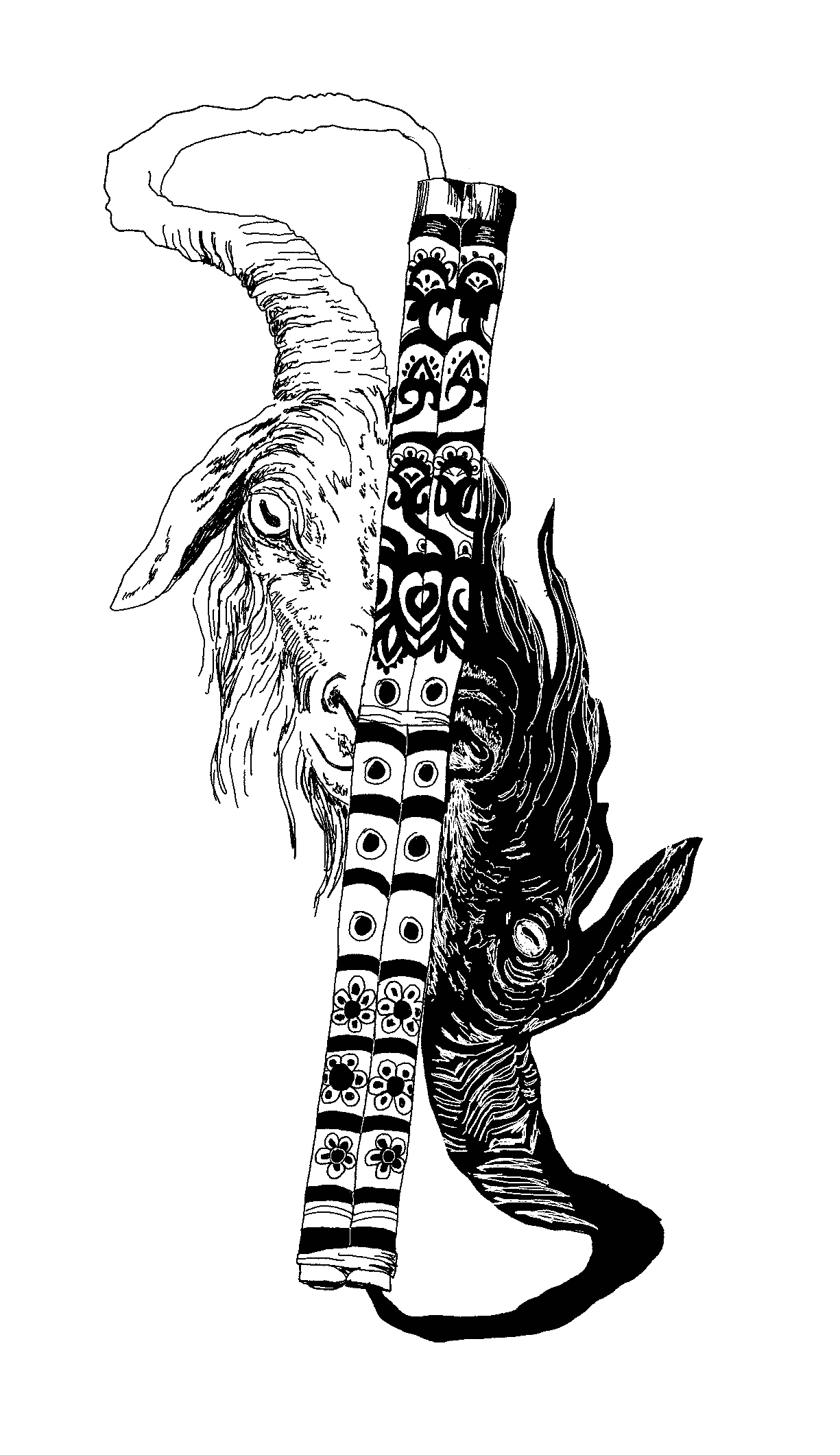
„Ten druhý muž“ se svým otcem pastevcem žili v Orelku devět let. Tahir se stal starému pastevci skoro synem, ale po pár letech odešel, aby si vybudoval vlastní stádo na své vlastní hoře, kde na každé mýtině kdysi stála mlékárna a kde na jednom bohatém panství Agush Ada v devatenáctém století propojovaly keramické trubky dojírny s mlékárnou a proudilo jimi mléko dvanácti tisíc koz. Stádo hlídala stovka psů. Jeho hora byla domovem muže, který nepatřil mezi pastevce, ale kráčel krajinou se svou flétnou, následován zvířaty: Orfea. Tahir plakal, když opouštěl Orelek s pětadvaceti ovcemi a dvěma psy po boku, spolu s darem na rozloučenou v podobě výběrového berana od starého pastevce.
Po Tahirovi přišli další nadaní pastevci. Byl mezi nimi Vangel, zaříkávač psů jako Kámen, který se stal téměř bratrem „toho druhého muže“. Když se ale do Vangela zamilovala dobrovolnice a požádali, aby mohli zůstat a pracovat společně, odpověď zněla „ne“. Pro páry tu nebylo místo. Následovaly další ztráty. Ta největší přišla, když „ten druhý muž“ a jeho otec odešli a s nimi většina ovcí. Kámen a jeho nyní již bývalý partner uzavřeli trpkou dohodu, kdy Kámenovi nakonec zůstala hrstka ovcí a dva berani. Začal znovu. A znovu vybudoval stádo do dnešní velikosti sedmi set kusů. Ten druhý muž se svým otcem odešli dolů do soutěsky se svým oddílem zvířat. Měli silné stádo, ale bez základny.
To se stalo před patnácti lety. Od té doby jsou ti dva zapřisáhlými nepřáteli. Kámen ani nevyslovuje jeho jméno, je to prostě „ten druhý muž“.
[…]
Převratná změna kultury. Kámen se zbavil své pochmurné nálady.
Stádo se objevilo v dohledu. Bylo roztroušené jako černé kostky domina na bílém poli a několik karakačanských psů přišlo Kámena pozdravit, vznešeným krokem, aniž by se rozběhli.
„Držte se blízko u mě,“ řekl. „Ostatní jsou v pohodě, ale Balkán by vás pokousal.“
Balkán zavrčel. Byl starý a byl vůdcem smečky. Oči měl zanícené – možná z toho, že celou noc bděl na stráži. Ve tváři měl onen téměř nesnesitelný výraz věrnosti, výraz karakačanského psa, vystouplou hruď jakoby pokrytou medailemi z chlupů. Takový byl osud nejlepších pastevců, klást stádo na první místo a potichu trpět.
Hlídací pes je „jediným zvířetem, které je dokonale vycvičené, aby sloužilo druhým,“ řekl kdysi dávno jakýsi přírodovědec. Viděla jsem to v Balkánových začervenalých očích.
Ovce už bylo lépe vidět. Měly zemitě černohnědou barvu a s malými, hutnými, chundelatými těly vypadaly stejně staré jako kameny. S čumáky u země se pohybovaly jako jeden celek, i když byly rozptýlené v prostoru – byl to obraz, který jsem znala z jakéhosi svého dávného života. Měly nezaměnitelné tváře, se sametovými čumáky pod kudrnatou srstí, vykreslené s jemností faraonovy hlavy.
Studený vánek načechrával psům srst. Vypadali jako hrdinové. Zvířecí armáda, celý svět bez lidí. Vše ztichlo. Chtělo se mi pokleknout na mramorovou podlahu ledovcového karu, protože tohle skutečně byla ta nejstarší zvířata světa. Stačilo se na ně podívat a bylo vidět, že zažila masakr.
Zkoušela jsem je spočítat, ale vzdala jsem to. Horské ovce patří mezi první domestikovaná pastevní zvířata, ale toto stádo působilo dost divoce.
Karakačané dokázali zachovat plemena svých zvířat v pozoruhodné čistotě. Už to samo svědčilo o dlouhodobé kočovné existenci těchto lidí a zvířat: ukazovalo to, že jejich vztah s civilizací se omezoval pouze na směnu. Nejhlubší vztah měli s přírodním prostředím. Proto jejich ovce zůstaly zpola divoké. V první polovině dvacátého století žilo těchto ovcí něco mezi milionem a milionem a půl. V listopadu roku 1957 zatarasila armádní vozidla cesty a zvířata kočujících pastevců odvezla, přičemž každé rodině nechali tři ovce. Karakačané byli doslova vytlačeni z cesty a natlačeni mezi čtyři stěny. Nazývají to sedentarizací, aby se to rýmovalo s homogenizací. Po odebrání stád se psi rozutekli a zdivočeli, vyli jako vlci. Ve skutečnosti ale následovali severojižní stezky – odsud až k egejským nížinám. A pak se na konci sezóny po stejné stezce vraceli zpět. Bez stáda. Bez lidí.
Karakačanští věštci to předvídali.
„Jestli zemřou Karakačané, zemřou všichni,“ říkali. Ovce, psi, koně, osli i lidé. Není náhoda, že zvířata, která chovali, převzali jejich jméno.
Ke konci roku 1958 klesl počet horských ovcí na 158 896 kusů. Všechny karakačanské ovce byly pohlceny průmyslovým plánem na zvyšování produkce – masa, mléka a vlny. Okamžitě došlo k jejich zkřížení s jinými plemeny, jako merino. V osmdesátých letech dvacátého století se pro textilní průmysl každoročně vyrábělo 33 000 tun vlny. O čtyřicet let později zaniklo i toto průmyslové odvětví. Zůstal jen tu a tam někdo, kdo vlnu přede.
Mnozí zemřeli se zlomeným zdravím na křižovatce osudu, kde jim vzali zvířata. Jiní se smířili se životem mezi čtyřmi stěnami, nadále nosili své těžké vlněné oděvy a v létě je najímali jako ty nejlepší pastevce široko daleko. Pravda, pracovali pro tentýž průmyslově-zemědělský komplex, který zničil jejich způsob života, ale alespoň mohli polovinu roku žít venku – tedy muži, nikoliv ženy. V Řecku se hrstka Sarakačanů dál v létě pohybovala po ose jih-sever, ta však končila na hranici. Likvidace posledního pasteveckého národa v Evropě vyslala jasné poselství: v moderním světe není místo pro svobodně se pohybující lidi a zvířata.
Toto stádo, tito psi, zosobňovali to, co z toho všeho zbylo.
Psi kráčeli s námi, bylo jich sedm. S pasteveckou holí pod paží a Balkánem po boku přišel pastevec. Byl tmavý, neoholený, v sepraných teplákových kalhotách a s kšiltovkou. Vřele se usmál a vzal mou ruku do své. Druhou měl dofialova oteklou.
„Co máte s rukou?“
„Ále, už se to hojí,“ odpověděl ledabyle. Mezera mezi zuby jeho úsměv trochu kazila. Ale oči nebylo vidět.
Kámen zkontroloval dvě ovce, které uštkla zmije. Trochu kulhaly.
„Kito, pojď sem. Tohle je Kito. A Kašo. Gašta Kalhoty. Baguer. Ryšavec.“ Pastevec mě seznamoval se svými psy. „Balkána je lepší nechat na pokoji, že jo, chlapče.“
Kámen psy odehnal. Nelíbilo se mu, že mě jeho pastevec s nimi seznamuje. A když pastevec žertem poznamenal: „Ty ovce mu patří jenom na papíře, jinak jsou moje,“ Kámen je rychle zahnal vzhůru do karu. Psi stádo následovali.
Seděli jsme u horního jezera a přidal se k nám Korzárův pastevec krav. Vyhlublý mladík s očima vybledlýma smutkem, nebo alkoholem. Po hřebeni nad námi vedla turistická stezka a podle zákona se zvířata musela pást v minimální vzdálenosti sto metrů od stezky. Lidé scházeli z Hromové hory, obešli dva ledovcové kary a pokračovali po vyšlapaných trasách východního Pirinu. Turisté lemovali hřeben jako kolíčky, ale tento svět byl prázdný. Dva pastevci si dělali navzájem společnost, protože žádnou jinou neměli.
„Kde je ta medvědice?“ zeptal se Kámen. „Nemohl jsem v noci spát, jaké jsem měl kvůli ní starosti.“
„Někde tady je,“ ušklíbl se jeho pastevec. Zahlédl ji na Kamenské kleti, jak postrkuje svá dvě mláďata jedno po druhém ke kraji lesa.
Loni se medvěd dostal do ohrady. Psi štěkali jako diví, ale nezaútočili.
„Hodil jsem po ní kamenem a ona hodila kámen po mně. Jako člověk,“ vyprávěl pastevec. „Pak popadla ovci, sevřela ji jednou tlapou a odkráčela s ní v podpaží. Jako člověk.“
Zasmáli jsme se. Pastevci bylo kolem čtyřicítky a byl to fešák, s nádechem drsnosti, do kůže měl vepsané slunce i vítr. Když si sundal čepici, v jeho jasných očích jsem zahlédla bolest.
[…]
Publikováno: Kapka Kassabova, Anima: A Wild Pastoral, Vintage, Londýn, 2025, s. 31–35, 46–48.
Překlad: Veronika Šilarová
Copyright © 2024, Kapka Kassabova, použito se svolením agentury The Wylie Agency (UK) Limited.